
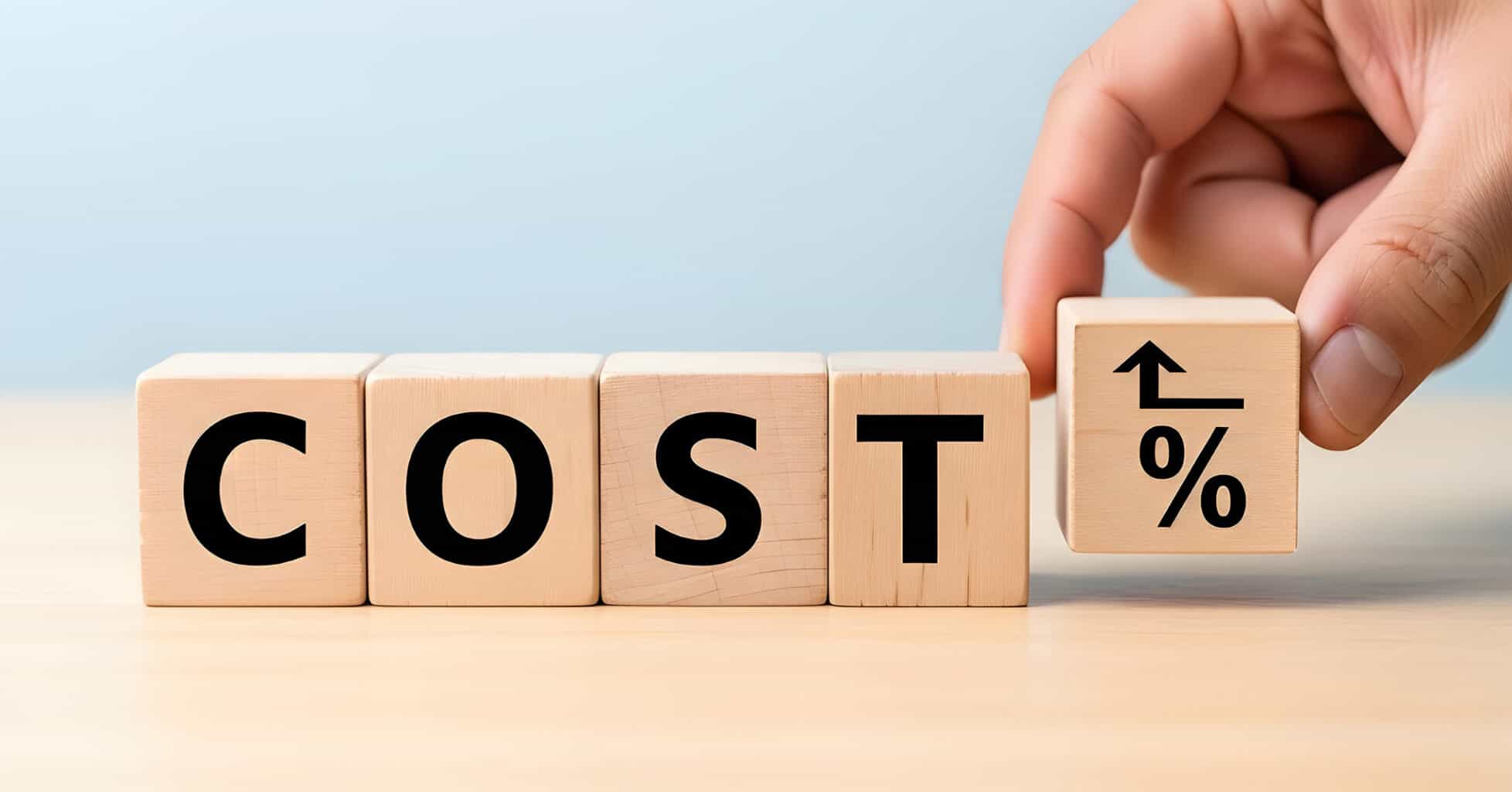
Labor & Industries (L&I) has proposed a 4.9% average increase in workers’ compensation insurance rates for 2027. Individual risk classes may see increases or decreases that differ from the statewide average.
The proposed rates are scheduled to take effect January 1, 2027. While the rates are not yet final, we do not anticipate significant changes to the proposal and encourage GRRP members to begin planning for the increase now.
While employers cannot control statewide base rates, there are things you can do to manage your individual workers’ compensation costs and help improve your GRRP performance.
What Determines What You Pay?
Base insurance rates vary by risk class and industry. Your individual workers’ compensation experience also affects what your company ultimately pays.
L&I reviews prior payroll hours and claim costs to help determine your company’s experience modification rating (EMR). Higher claim costs, particularly those involving time-loss benefits, can negatively affect future premiums.
That makes preventing injuries and controlling claim costs when an injury does occur increasingly important.
Focus on What You Can Control
A strong safety program is the first step. Fewer and less severe injuries mean lower claim costs and better overall workers’ compensation performance.
When an injury does occur, Kept on Salary (KOS) and Return to Work (RTW) are two of the most important strategies for reducing or avoiding time-loss costs. KOS allows an employer to continue an injured employee’s regular wages rather than having L&I pay time-loss benefits. When an employee can return to work with medical restrictions, providing appropriate modified-duty work can also help keep wage-replacement costs off the claim.
GRRP participation requirements for KOS and RTW vary based on each member’s current program tier. Members are expected to follow the requirements established for their tier, including applicable KOS periods and modified-duty work requirements.
Providing modified-duty work may also qualify an employer for reimbursement through L&I’s Stay at Work program, helping offset some of the cost of returning an injured employee to work.
If you are unsure of your current GRRP tier, its participation requirements, or whether a claim may qualify for Stay at Work reimbursement, contact your ERNwest claims manager.
Why It Matters for GRRP
GRRP refunds are performance-based. Controlling claim costs can help reduce the impact of a claim on future premiums while also supporting stronger individual and overall program performance.
With workers’ compensation rates expected to increase in 2027, now is a good time to focus on the costs you can influence: preventing injuries, acting quickly when an injury occurs, and effectively managing claims when they do happen.
Helpful Resources
L&I’s 2027 Rate Information
ERNwest Contacts
- Safety information and resources:
Mike Octave |VP Safety | moctave@ernwest.com - Information and strategies on rates, RTW, KOS or group requirements:
Shamus Harmon | sharmon@ernwest.com